Source women satin latin dance shoes for competitions, practice, and performances
Find 25 options for women satin latin dance shoes with varying heel heights and materials like satin, silk, and leather. Buyers can compare specifications including size ranges, sole types, and customization features for ballroom and Latin dance styles.
Key considerations
Products List


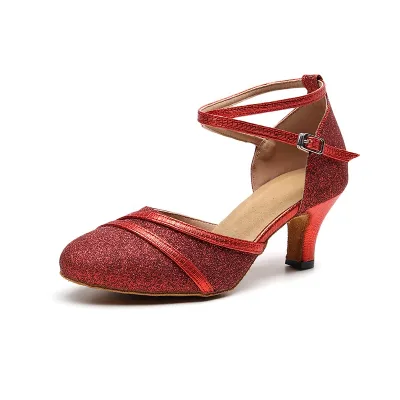
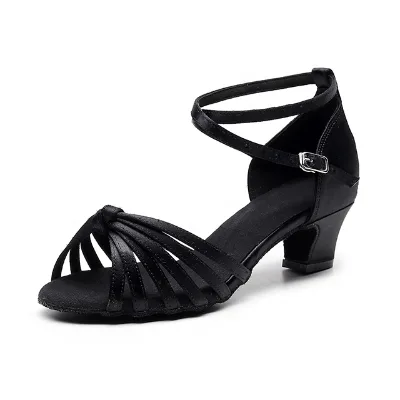

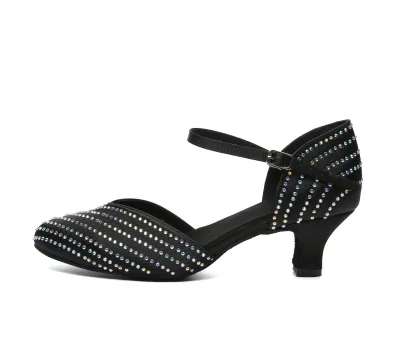


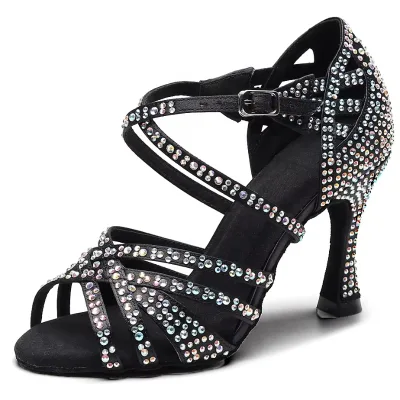
Comprehensive Sourcing Guide
Strategic Sourcing Guide for Women's Satin Latin Dance Shoes
The global market for specialized performance footwear, particularly women's satin Latin dance shoes, requires a nuanced procurement strategy that balances aesthetic requirements with rigorous technical performance. Buyers sourcing these items must navigate a complex landscape of material specifications, heel geometries, and manufacturing standards to ensure the final product meets the demands of competitive ballroom and Latin dance environments. This guide synthesizes observed market data and technical attributes to provide a structured approach for evaluating suppliers and selecting the optimal product configuration.
Technical Specifications and Material Composition
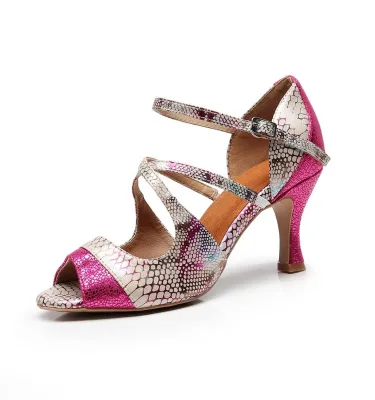
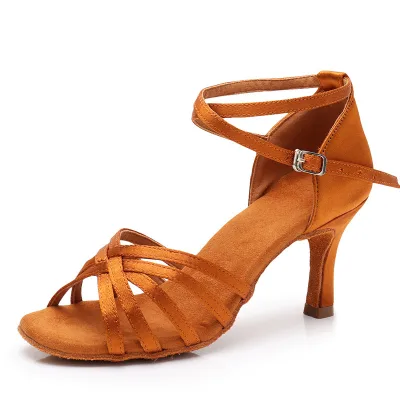
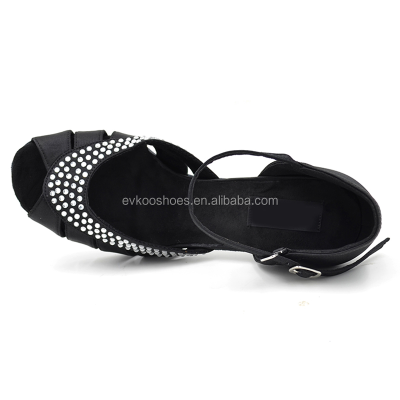
The foundation of a successful procurement decision lies in the precise definition of material composition and structural specifications. In the current market, the upper material for women's Latin dance shoes is predominantly satin, though variations such as silk satin and genuine leather are also present. Satin remains the preferred choice for its traditional sheen and fluid drape, which are essential for the visual presentation of dance routines. However, buyers must verify the specific type of satin used, as "silk satin" offers a distinct texture and durability profile compared to synthetic satin alternatives.
The lining material is equally critical for comfort and moisture management during extended performance periods. Market observations indicate a diversity in lining options, including cotton fabric, PU (polyurethane), and microfiber. Cotton fabric provides breathability, which is advantageous for high-intensity practice sessions, while PU and microfiber linings may offer enhanced durability and a smoother internal surface that reduces friction against the foot. Procurement teams should request specific material data sheets to confirm the exact composition, as the choice of lining directly impacts the shoe's longevity and the dancer's comfort.
Structural integrity is defined by the shank strength and sole composition. The shank, which provides arch support, is observed to vary between "hard" and "soft" configurations. A hard shank is typically required for professional dancers who need maximum support for complex jumps and turns, whereas a soft shank may be more suitable for beginners or those prioritizing flexibility. The outsole material is another key differentiator; while leather and suede are common, the specific grade of suede affects the shoe's grip and slide characteristics on various dance floors. Buyers must ensure the outsole material matches the intended dance surface, as suede generally offers a balance of grip and slide, whereas leather may provide different traction levels.
Heel Geometry and Sizing Standards
Heel height and shoe sizing are among the most critical variables in the procurement of Latin dance shoes. The market offers a wide range of heel heights, with specific observations noting options such as 3.2cm, 3.5cm, 4.5cm, 5.5cm, 7.5cm, 8.5cm, and 10cm. Some product listings also categorize heels as being less than 3.5cm, indicating a market segment for low-heel or practice shoes. The selection of heel height must align with the dancer's skill level and the specific requirements of the dance style. For instance, 7.5cm heels are frequently cited as a standard for competitive Latin dance, while lower heights are often preferred for training or beginner levels.
Sizing standards also vary significantly across suppliers. European sizing is the predominant system observed, with ranges typically spanning from size 33 to 44. Specific model numbers, such as DL00049, DL00051, and DL00258, are associated with distinct size runs, and buyers must verify that the supplier's inventory covers the necessary size spectrum for their target demographic. The "Single package size" of 31x21x10 cm and a "Single gross weight" of 0.350 kg provide logistical benchmarks for shipping calculations, but these figures can fluctuate based on the specific model and packaging configuration.
Compliance, Standards, and Packaging Protocols
While specific certification bodies are not universally mandated for dance footwear, adherence to packaging and dimensional standards is essential for supply chain efficiency. Observed product standards include packaging dimensions such as 20x10x10 cm and 20x30x20 cm, which suggest standardized box sizes for different shoe models. The "prod_standard" field often references these dimensions, serving as a guide for logistics planning. Additionally, the "prod_packing" method is frequently listed as OPP (oriented polypropylene) bags, which offer basic protection against dust and moisture during transit.
Buyers should verify that the packaging protocol includes adequate protection for the delicate satin upper and the precise heel structure. The origin of the products is consistently noted as China, with specific production hubs identified in Henan. This geographic concentration can influence lead times and shipping costs, but it also suggests a mature supply chain for dance footwear in the region. When evaluating compliance, buyers must ensure that the supplier adheres to any relevant safety standards regarding materials used, particularly concerning the outsole and lining materials, to prevent allergic reactions or structural failures during use.
Cost Drivers and Pricing Dynamics
The pricing structure for women's satin Latin dance shoes is influenced by several factors, including material quality, heel complexity, and customization options. The observed price range in the market spans from $1.10 to $155.00 USD, a wide disparity that reflects the difference between mass-produced entry-level shoes and high-end, custom-fitted professional footwear. The lower end of the spectrum typically corresponds to standard models with basic satin uppers and generic heel heights, while the higher end includes shoes with premium materials like silk satin, genuine leather, and specialized customizations.
Customization is a significant cost driver. The availability of "Can Custom" options allows buyers to request specific color combinations, such as black, light gold, or red, and varying heel heights. These custom orders often incur higher unit costs and may require longer lead times. The "Selling Units" are typically listed as single items, indicating that the market operates on a per-pair basis rather than bulk packaging for retail. Buyers must account for the Minimum Order Quantity (MOQ), which ranges from 1 to 500 units, to determine the most cost-effective purchasing strategy. Lower MOQs offer flexibility for small retailers, while higher volumes may unlock better pricing tiers.
Supplier Evaluation and Quality Assurance
Evaluating suppliers for dance footwear requires a focus on their ability to maintain consistent quality across different material and design variations. Key attributes to verify include the "Level Of Practice" suitability, which ranges from beginner to professional. A reputable supplier should be able to demonstrate that their products are suitable for the intended user group, whether for social dance, performance wear, or competitive practice. The "Feature" of the shoes, often described as "Social Dance Shoes Performance Wear Shoes," indicates a dual-purpose design that must balance aesthetics with functional durability.
Quality control measures should be rigorous, particularly regarding the "Shankstrength" and "Outsole" consistency. Variations in shank hardness or outsole material can significantly impact the performance and safety of the dancer. Buyers should request samples to test the "Shoe Width," which is observed as "Medium," and ensure that the sizing consistency aligns with European standards. The "Brand Name" HIPPOSEUS is noted in some listings, but buyers should remain open to unbranded or private-label options if the quality specifications meet their requirements.
Long-Term Procurement and Application Strategy
The long-term success of a dance shoe procurement program depends on the alignment of product specifications with the specific applications of the end-users. These shoes are designed for "Adult" departments and are categorized under "Ballroom/Latin Shoes" and "modern ladies dance shoes." The "Pop Elements" such as "Ethnic Style" suggest that aesthetic trends play a role in product selection, and buyers must stay attuned to changing fashion preferences in the dance community.
For professional applications, the "Level Of Practice" must be matched with the appropriate heel height and shank strength. A mismatch between the shoe's technical specifications and the dancer's skill level can lead to injury or poor performance. Therefore, procurement strategies should include a clear understanding of the target demographic's needs. Whether sourcing for a dance studio, a retail chain, or a performance troupe, the ability to offer a range of heel heights and materials is crucial for meeting diverse customer requirements.
Comparative Analysis of Product Attributes
To facilitate informed decision-making, the following table summarizes the key technical attributes observed in the market for women's satin Latin dance shoes. This comparison highlights the variability in specifications that buyers must consider when selecting a supplier.
| Attribute | Observed Variations | Procurement Consideration |
|---|---|---|
| Upper Material | Satin, Silk Satin, Genuine Leather | Verify texture and durability; silk satin is premium. |
| Lining Material | Cotton Fabric, PU, Microfiber | Cotton for breathability; PU/Microfiber for durability. |
| Shank Strength | Hard, Soft | Hard for support/professional; Soft for flexibility/beginner. |
| Heel Height | <3.5cm, 3.5cm, 4.5cm, 5.5cm, 7.5cm, 8.5cm, 10cm | Match to skill level and dance style requirements. |
| Outsole Material | Leather, Suede | Suede for balance of grip/slide; Leather for specific traction. |
| Sizing Range | Europe 33-43, Europe 34-44 | Ensure coverage of target demographic sizes. |
| Color Options | Black, Light Gold, Red, Skin Color | Confirm availability of specific color combinations. |
| Customization | Available (Can Custom) | Assess lead times and cost implications for custom orders. |
| Origin | China (Henan) | Consider logistics and supply chain stability. |
| MOQ Range | 1 - 500 | Align order volume with budget and storage capacity. |
Conclusion
Sourcing women's satin Latin dance shoes requires a meticulous approach that prioritizes technical specifications, material quality, and alignment with user needs. By carefully evaluating the observed attributes such as heel height, shank strength, and lining materials, buyers can make informed decisions that ensure the performance and safety of the dancers. The wide range of price points and customization options available in the market offers flexibility, but it also demands a thorough understanding of the product's intended application. Through rigorous supplier evaluation and adherence to quality control standards, procurement teams can secure a reliable supply of high-quality dance footwear that meets the evolving demands of the ballroom and Latin dance community.
FAQs
What upper materials are available for women satin latin dance shoes?
The upper materials include satin, silk satin, and genuine leather. Buyers should verify the specific type as silk satin offers a distinct texture compared to synthetic satin alternatives.
Which lining materials provide the best comfort for dance performance?
Available lining materials are cotton fabric, PU, and microfiber. Cotton fabric provides breathability for high-intensity sessions, while PU and microfiber offer enhanced durability and a smoother internal surface.
Can buyers customize the heel height and color of these shoes?
Yes, customization is available for heel heights ranging from under 3.5cm to 10cm and colors like black, light gold, and red. Custom orders may require longer lead times and incur higher unit costs.
What shank strength options exist for professional versus beginner dancers?
Shank strength varies between hard and soft configurations. Hard shanks provide maximum support for professional dancers, while soft shanks are more suitable for beginners prioritizing flexibility.
How do outsole materials affect grip on different dance floors?
Outsoles are made from leather or suede. Suede generally offers a balance of grip and slide, whereas leather provides different traction levels depending on the specific grade used.
What is the typical price range for women satin latin dance shoes?
The observed price range spans from 1.10 to 155 USD. Lower prices typically correspond to mass-produced entry-level shoes, while higher prices reflect premium materials and custom fittings.
Which European sizes are commonly stocked for these dance shoes?
Common size ranges include Europe 33 to 43 and Europe 34 to 44. Buyers must verify that the supplier's inventory covers the necessary size spectrum for their target demographic.